
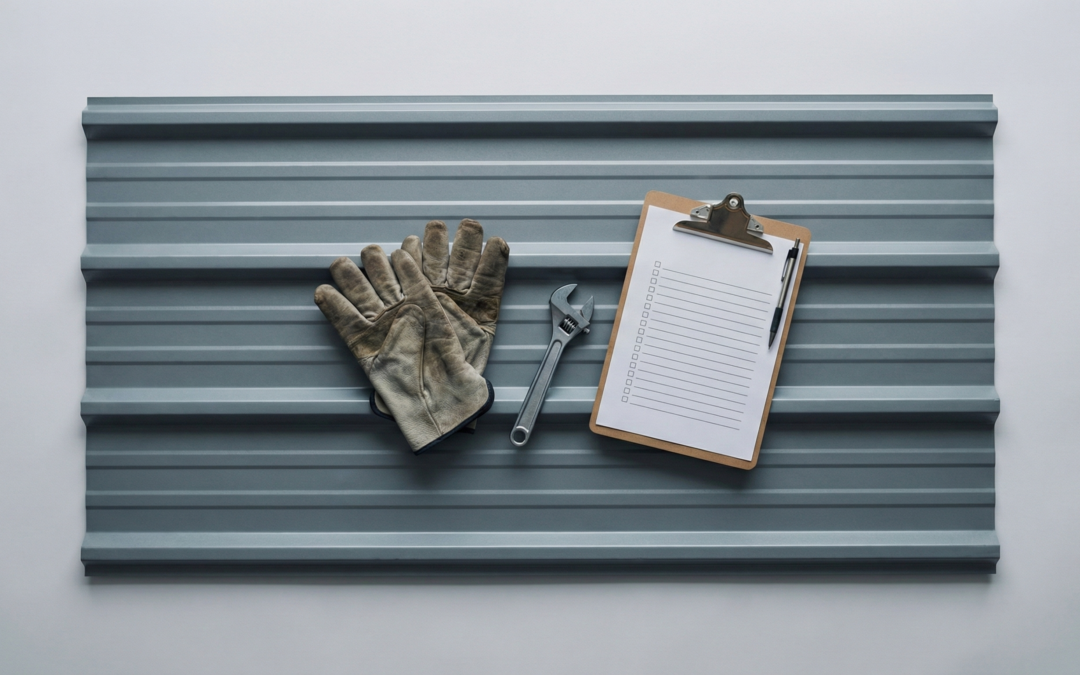
Most industrial roofs don’t fail suddenly. They don’t collapse overnight or start leaking out of nowhere. What usually happens is quieter. A minor issue gets ignored because production is busy. A drain blocks up, but it’s not urgent. A fastener loosens, but nothing leaks yet. That’s where industrial roof maintenance in Chennai comes in.
And then one day, during a heavy rain or a brutal summer, everything shows up at once.
If you’ve managed an industrial building in Chennai long enough, you’ve probably seen this pattern. The roof works fine… until it becomes the only thing everyone is talking about.
That’s why industrial roof maintenance in Chennai isn’t about reacting fast. It’s about not needing to react at all.
Why Chennai Roofs Age Differently
Roofs in Chennai don’t get the luxury of slow ageing.
The heat here is constant and heavy. Metal expands for hours every day. Humidity hangs in the air even when it doesn’t rain. When the monsoon arrives, it doesn’t test the roof gently — it pushes water into every weak joint and forgotten corner.
What surprises many owners is not that damage happens, but how quickly small issues turn into larger ones.
Maintenance isn’t about keeping the roof perfect. It’s about keeping problems small enough that they never interrupt work inside the building.
Monthly Checks: The Things People Skip (And Regret Later)
Monthly maintenance sounds excessive to some people. “Nothing happened last month. Why check again?”
But these checks aren’t inspections in the technical sense. They’re closer to habits.
Once a month, someone should be walking the roof or visually inspecting it with a simple mindset: Has anything changed?
You’re looking for obvious signs:
- Debris is collecting near drainage points
- Screws or fasteners that don’t sit right anymore
- New rust patches that weren’t there before
- Damp marks inside the building after rainfall
None of this requires specialized tools. What it requires is attention.
Many serious roofing issues start as something that would’ve taken ten minutes to fix if noticed early. That’s why a basic roof care checklist done monthly quietly saves a lot of money.
Quarterly Maintenance: Where Reality Catches Up
Quarterly inspections are where patterns start forming.
By this stage, the roof has gone through multiple heat cycles, a few storms, and regular exposure to dust and moisture. If something isn’t performing as expected, this is when it usually reveals itself.
Quarterly checks should slow things down a bit:
- Joints and overlaps deserve closer inspection.
- Sealants need to be checked for cracking or shrinkage.
- Areas around fasteners often show early corrosion.
- Drainage flow should be tested, not assumed.
This is also when internal signs matter. Unusual humidity, temperature spikes, or repeated condensation aren’t “AC problems” most of the time. They’re roofing signals.
This is why many companies bring in professional roofing services in Tamil Nadu at least once a quarter. Experience matters when problems aren’t obvious yet.
Annual Maintenance: Not Repairs, Perspective
Annual roof maintenance is often misunderstood.
People imagine major work, heavy expenses, or disruptive repairs. In reality, a good annual inspection is more about understanding how the roof has aged over the last year.
This is the moment to:
- Clean the roof surface properly.
- Review coating condition and protective layers.
- Check if structural movement has changed anything.
- Update maintenance records with photos and notes.
It’s also the right time to reassess assumptions.
Has usage inside the building increased?
Are machines generating more heat than before?
Is there a plan to add solar panels or extra equipment?
Roofs don’t exist in isolation. Annual reviews help align them with how the building is actually being used.
The Most Common Mistake Isn’t Neglect — It’s Inconsistency
Here’s something that surprises many owners.
The biggest maintenance problem isn’t doing nothing. It’s doing something once and then forgetting about it.
One year, inspections happen regularly.
Next year, production pressure increases and maintenance slips.
Then suddenly, a major issue appears — and no one can trace when it started.
Roofs respond best to predictable care, not perfect care.
Consistency matters more than intensity.
What Regular Maintenance Changes Over Time
On sites where maintenance happens quietly and regularly, roofs age gracefully. They don’t draw attention. They don’t become a talking point in meetings.
On sites where maintenance is reactive, even a good-quality roof feels like a problem asset.
The difference isn’t material. It’s a mindset.
When people treat roof maintenance as part of operations — not an interruption — costs stay stable, and surprises reduce drastically.
Who Should Handle What?
Not everything needs an expert. Not everything should be internal.
Monthly checks can be handled by trained staff. They’re observational, not technical.
Quarterly and annual inspections benefit from experienced professionals who understand industrial roofing systems, material behaviour, and local climate impact.
The goal isn’t dependency. It’s a balance.
Knowing when to escalate is part of good maintenance planning.
A Practical Reality Many Ignore
Roofs don’t complain early.
They absorb stress quietly. They tolerate minor abuse. They keep working even when conditions aren’t ideal.
That’s exactly why they’re easy to ignore.
But when a roof finally demands attention, it does so urgently — and never at a convenient time.
Production doesn’t stop because of leaks. Schedules don’t pause because of corrosion. Problems show up when they want to.
Maintenance is how you stay ahead of that.
Final Thought
A well-industrial roof maintenance in Chennai doesn’t announce itself. It simply does its job, day after day, through heat, rain, and time.
If you’re operating a facility in Chennai, roof maintenance isn’t optional care — it’s basic asset management.
Because roofs don’t fail dramatically at first.
They fail patiently.
And patience, when ignored, becomes expensive. So inspect now